Services

High end epoxy systems built for durability, style, and long term performance.

What Is Metallic Epoxy?

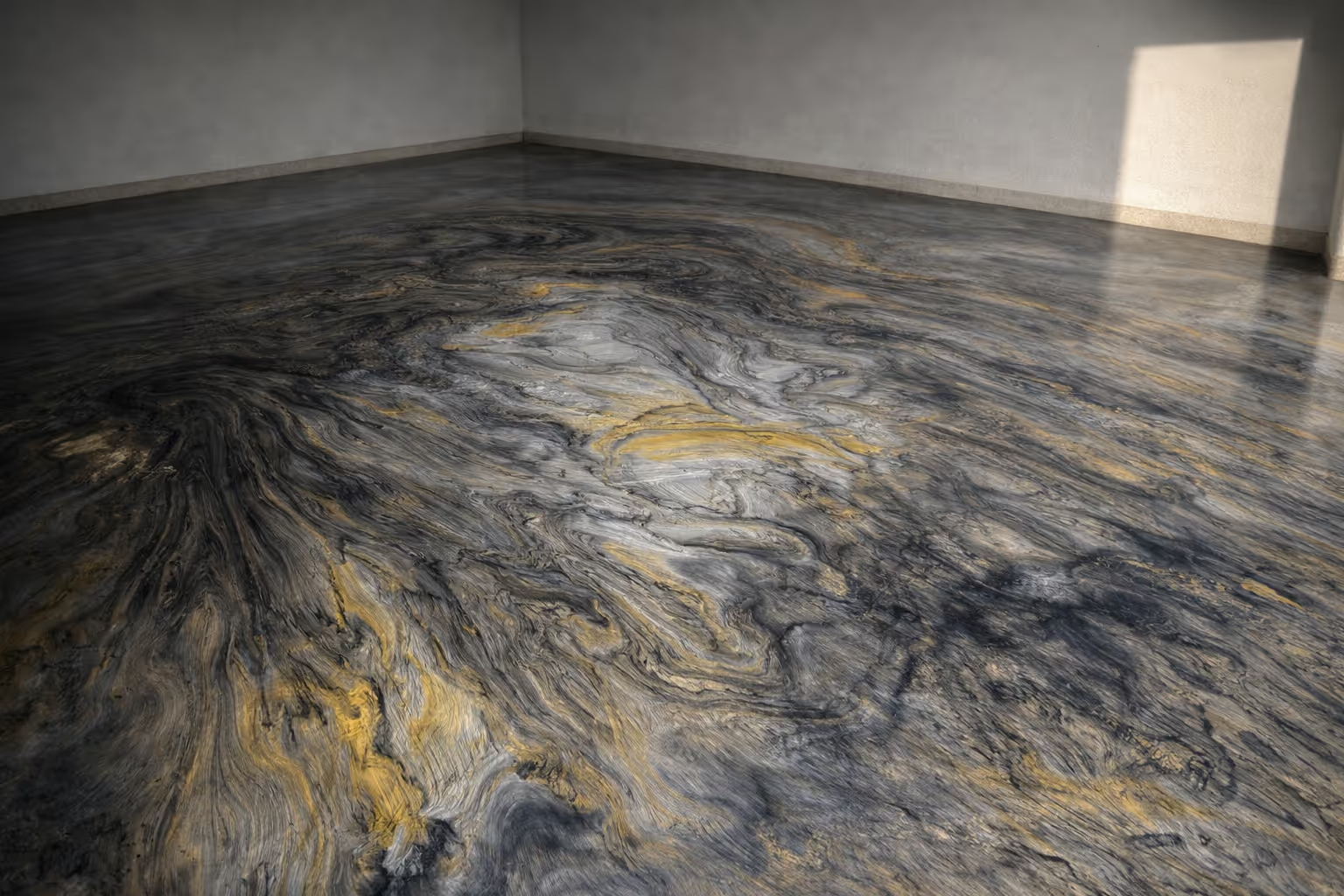
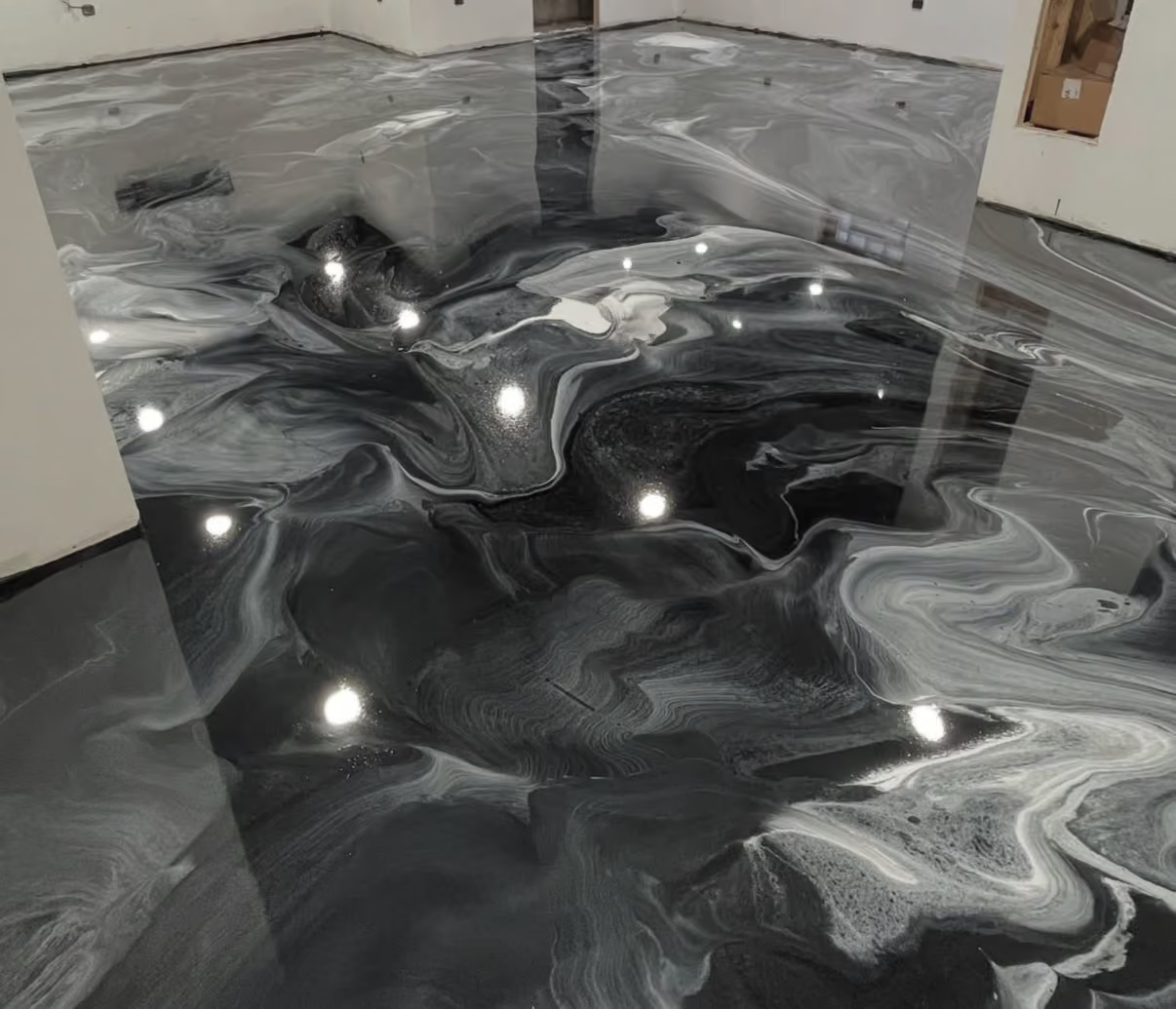
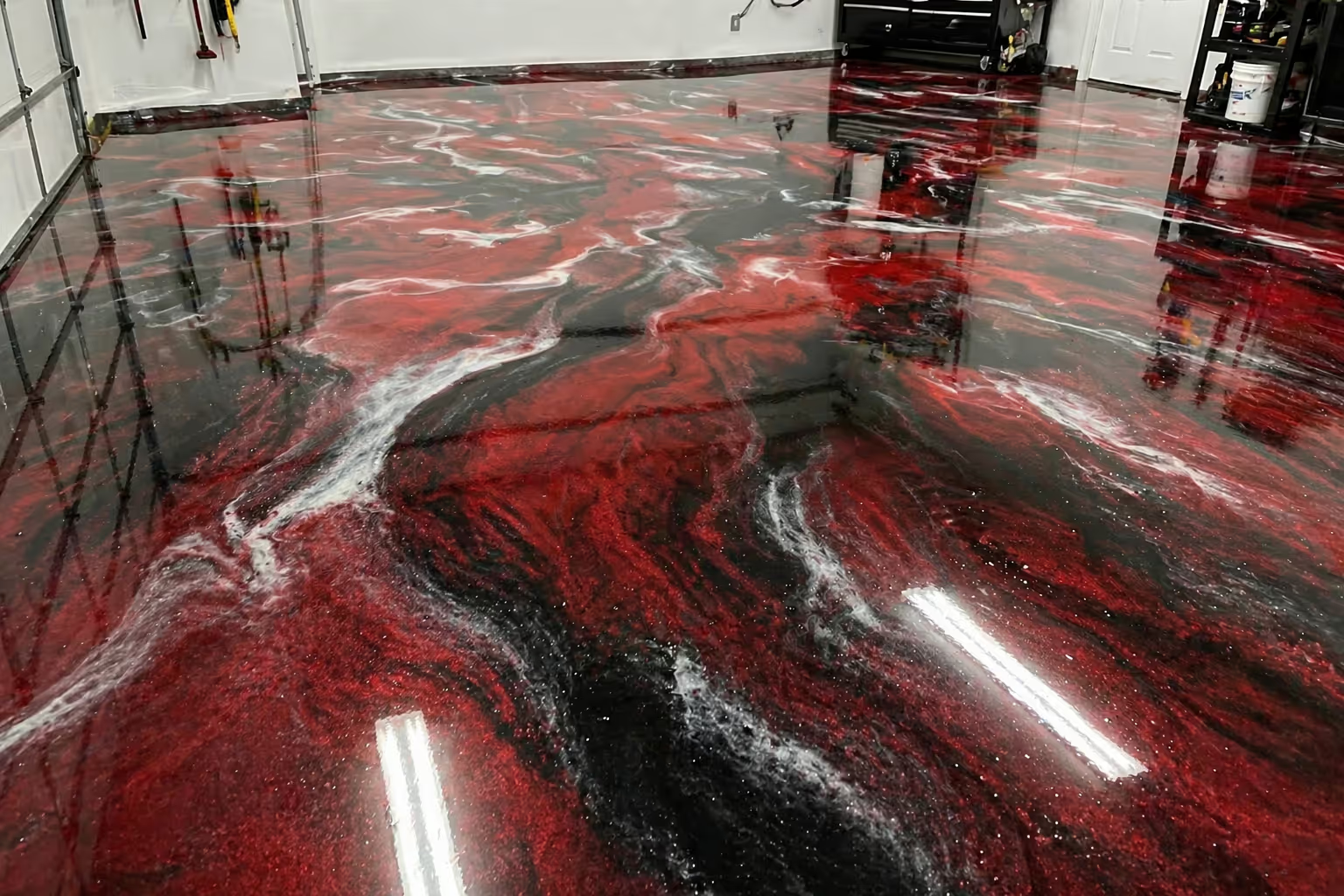
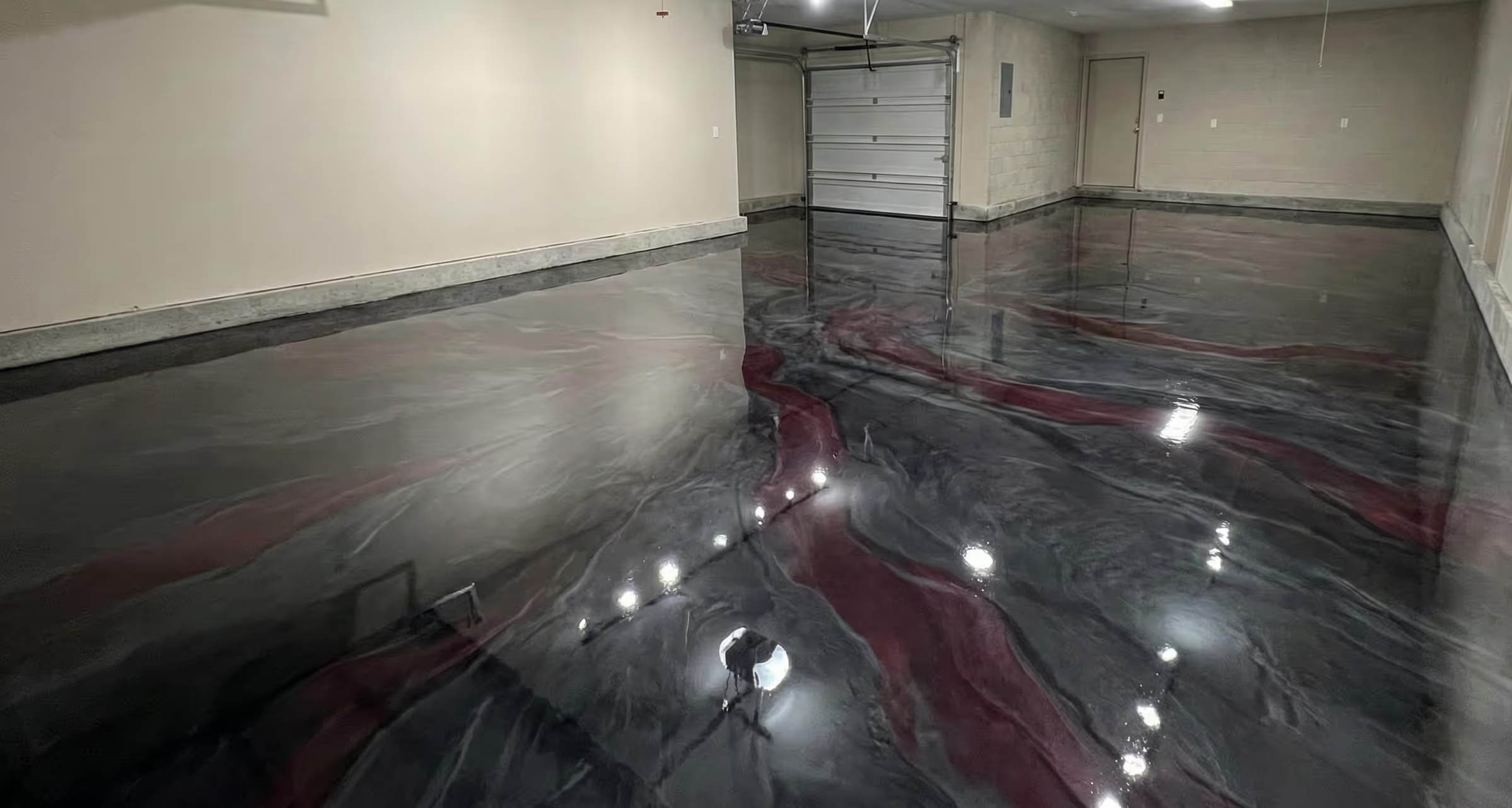
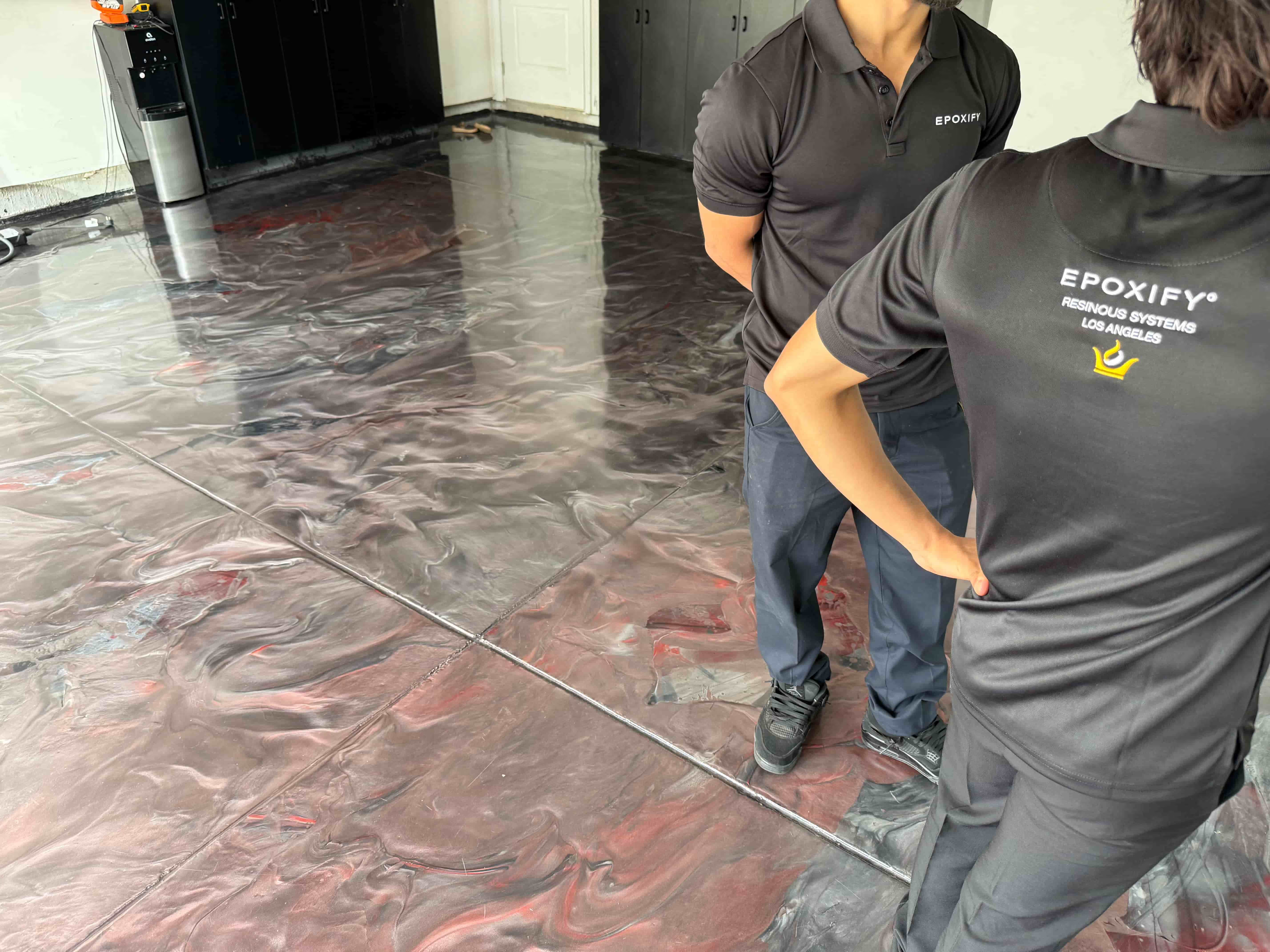
Metallic epoxy is our specialty and the most requested service at Epoxify. We focus heavily on this system because we believe in the industry, and the results consistently prove its value. Metallic epoxy has grown rapidly in popularity over the past decade due to the level of visual impact and durability it delivers for the cost. Epoxy itself is a two-part chemical system made up of resin and hardener. When mixed, the molecules cross-link, heat is released, and the liquid gradually cures into a strong, durable surface.

After preparation, a metallic epoxy system begins with a low-viscosity epoxy or epoxy primer used as a base coat, most commonly tinted black. When applied correctly, this base coat bonds directly to mechanically ground concrete and acts as a critical bonding layer between the slab and the subsequent epoxy layers. The body coat follows, consisting of 100 percent epoxy resin and hardener. Metallic pigments, either powdered dyes or specialized mica powders, are then introduced to create the design layer. The design is fully hand-manipulated using specific tools and techniques, resulting in a completely one-of-one finish. The system is completed with a protective topcoat, typically clear polyurethane or polyaspartic.

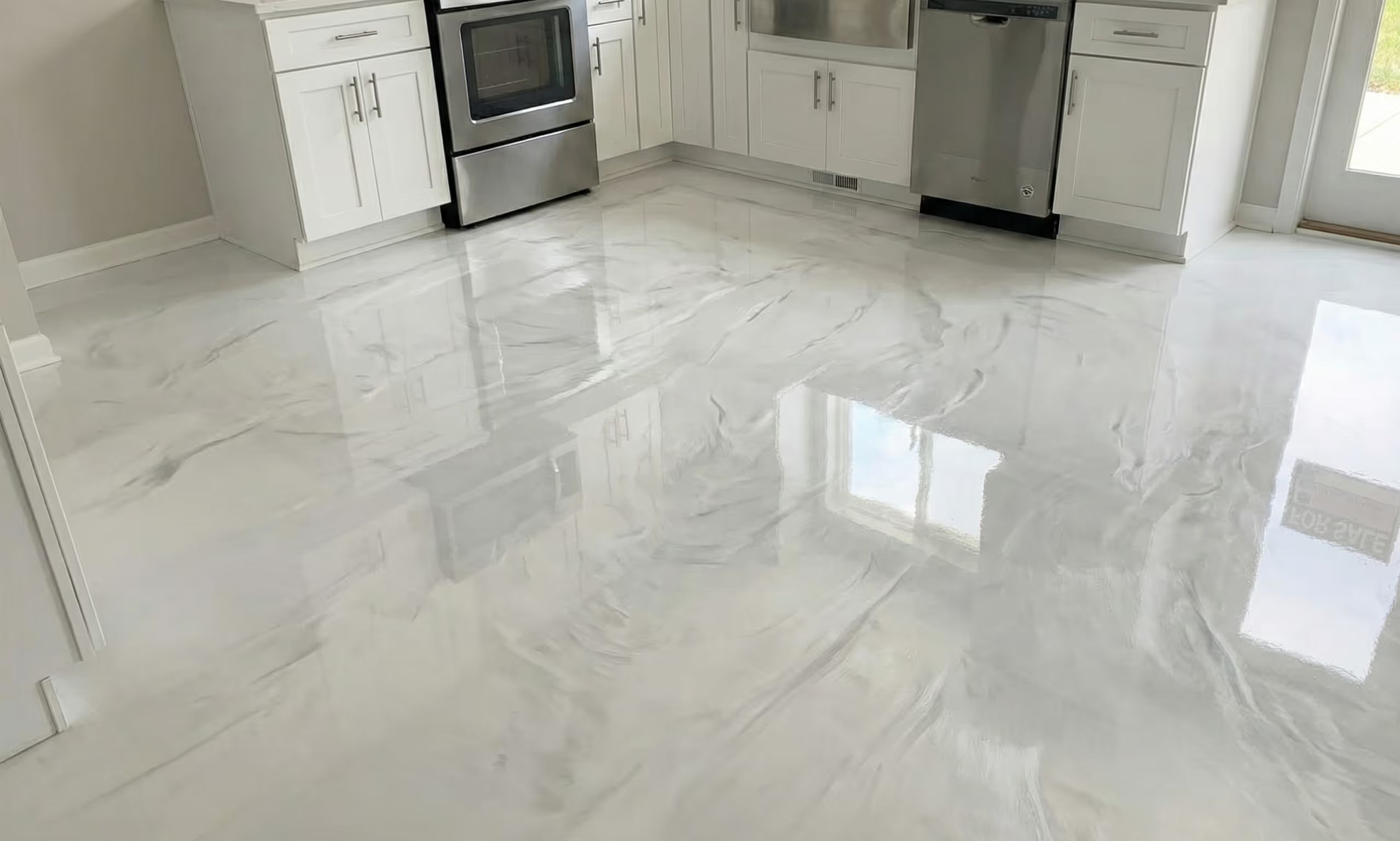
Metallic epoxy is highly customizable, allowing control over color selection up to four colors with two to three recommended, design style such as cloudy or flowing patterns, depth level, and finish ranging from matte to high gloss. It is commonly chosen by homeowners and commercial or industrial spaces where an upgraded floor can enhance the overall environment, such as automotive shops or showrooms. Pricing generally ranges from $11 to $15 per square foot, and most projects take 2 to 5 days, with 3 days being the most common.

Common Questions for Metallic

How does metallic epoxy compare to marble?

Marble used to be the default choice for luxury flooring, but many people now choose metallic epoxy instead. Metallic epoxy offers far more customization, with unlimited color combinations and natural movement that stone cannot replicate. It is also significantly more stain resistant. Marble is porous, so liquids like juice, wine, or oil can seep into cracks and permanently stain the surface, while epoxy creates a seamless non porous layer. Metallic epoxy is more chemical resistant and easier to make slip resistant using specialized topcoats, while marble usually requires added texture for traction. Marble can chip or crack from point impact, whereas epoxy systems spread and absorb pressure, making them more durable. Maintenance costs are lower with metallic epoxy as well. Recoating a topcoat is affordable, and if the floor qualifies under our limited warranty and proper care is followed, we will recoat it at no cost. The biggest difference is price. Marble typically costs 35 to 80 dollars per square foot, while metallic epoxy ranges from 8 to 20 dollars per square foot.

Does metallic epoxy require ongoing maintenance or resealing?

No regular resealing is required. Metallic epoxy is non-porous and designed to hold up with basic cleaning like sweeping and occasional mopping. Unlike stone or bare concrete, it does not absorb stains or moisture, which keeps long term maintenance simple and predictable.

is metallic epoxy a high end floor?

Yes, metallic epoxy is a high end flooring option because it combines custom visual design with industrial level performance. Profit margins are typically around forty five to fifty percent because the work is highly skill intensive, which limits competition in the industry. The most difficult parts include concrete profiling, moisture control, precise mixing, timing layers, controlling metallic movement, and applying a clean top coat without defects. When done properly by careful installers, metallic epoxy floors can last ten or more years with minimal maintenance.

Is metallic epoxy slippery?

The finish is smooth, but slip resistant additives can be incorporated into the top coat based on the space and how the floor will be used, without sacrificing the overall appearance. This allows the surface to remain visually clean and high end while still meeting safety needs in garages, commercial spaces, or high traffic areas. Many clients prefer this flexibility, and it is a major advantage of choosing metallic epoxy over other flooring options.

Does metallic epoxy yellow over time?

With proper topcoats like polyurethane or polyaspartic, yellowing is minimal indoors. UV exposure outdoors can affect epoxy, which is why metallic systems are intended for interior spaces.

Does metallic epoxy increase property value?

Absolutely. Real estate investors are among the biggest clients for metallic epoxy because of the amount of value it adds relative to its cost. A garage finished with metallic epoxy immediately looks more luxury and premium compared to standard concrete or basic coatings. The perceived value of both residential and commercial spaces improves noticeably with metallic and flake epoxy systems. For investors, it is often a go to upgrade because it enhances presentation, reduces future maintenance concerns, and delivers strong bang for the buck in spaces where appearance matters most.

Will metallic epoxy look the same years later?

When installed properly and protected with a quality topcoat, metallic epoxy maintains its appearance for many years. Normal wear does not change the design itself, and any loss of gloss over time can be refreshed without replacing the entire floor.

How long before I can walk or drive on it?

Light foot traffic is usually possible within 24 hours. Vehicles typically require 48 to 72 hours depending on conditions and topcoat used.

Flake Epoxy

Close-up of a speckled epoxy floor with gray, blue, white, and black flakes.
Close-up of textured black surface with scattered small white flakes and reflections of overhead lights.
Empty garage with clean, speckled gray epoxy floor and white walls with wooden trim.
Empty garage interior with clean, speckled epoxy-coated floor and unfinished drywall walls.
Glossy speckled epoxy-coated garage floor with a bicycle leaning against the wall in the background.
Empty garage with clean, speckled epoxy floor and closed white garage door.

What Is Flake Epoxy?

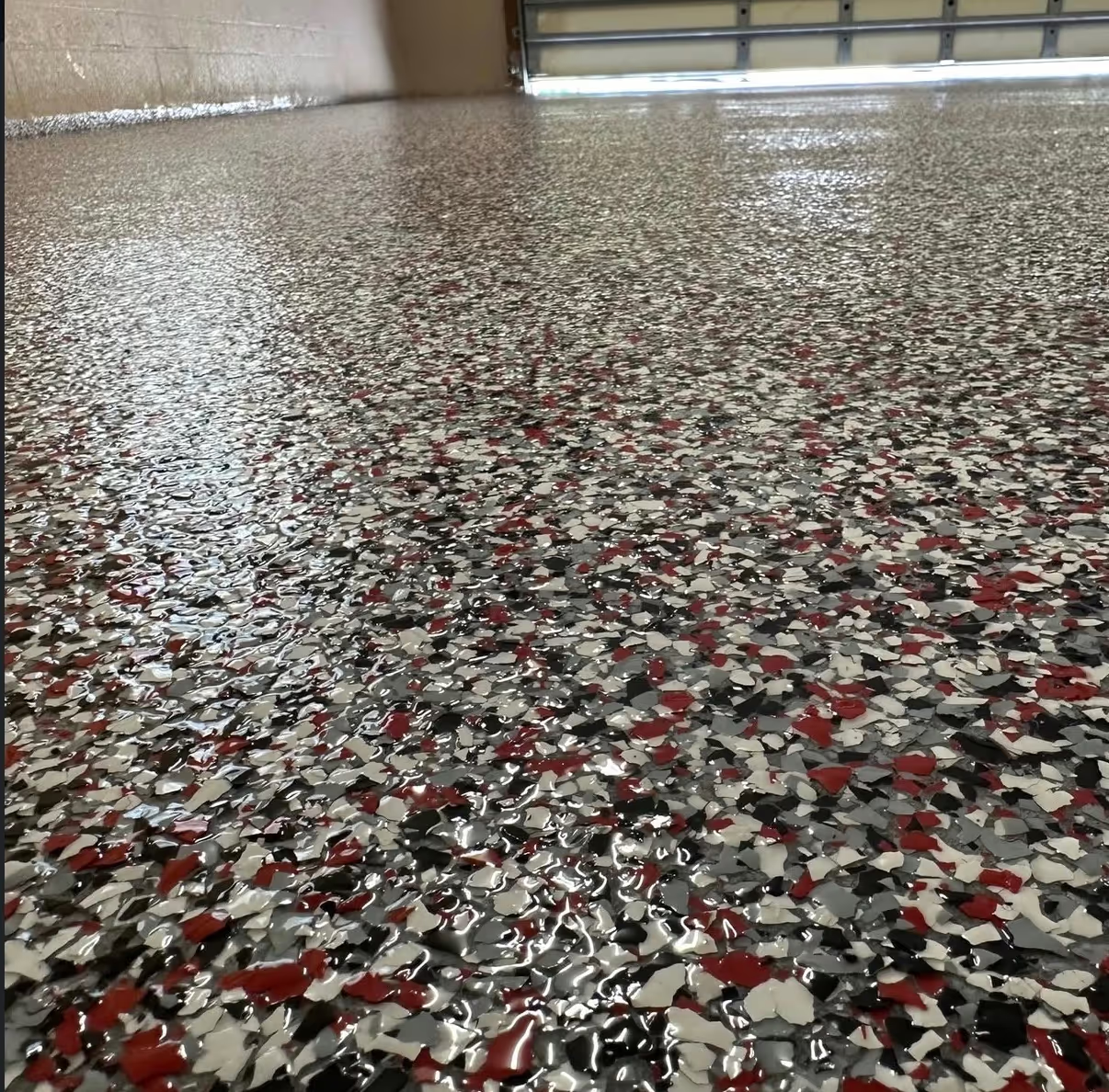
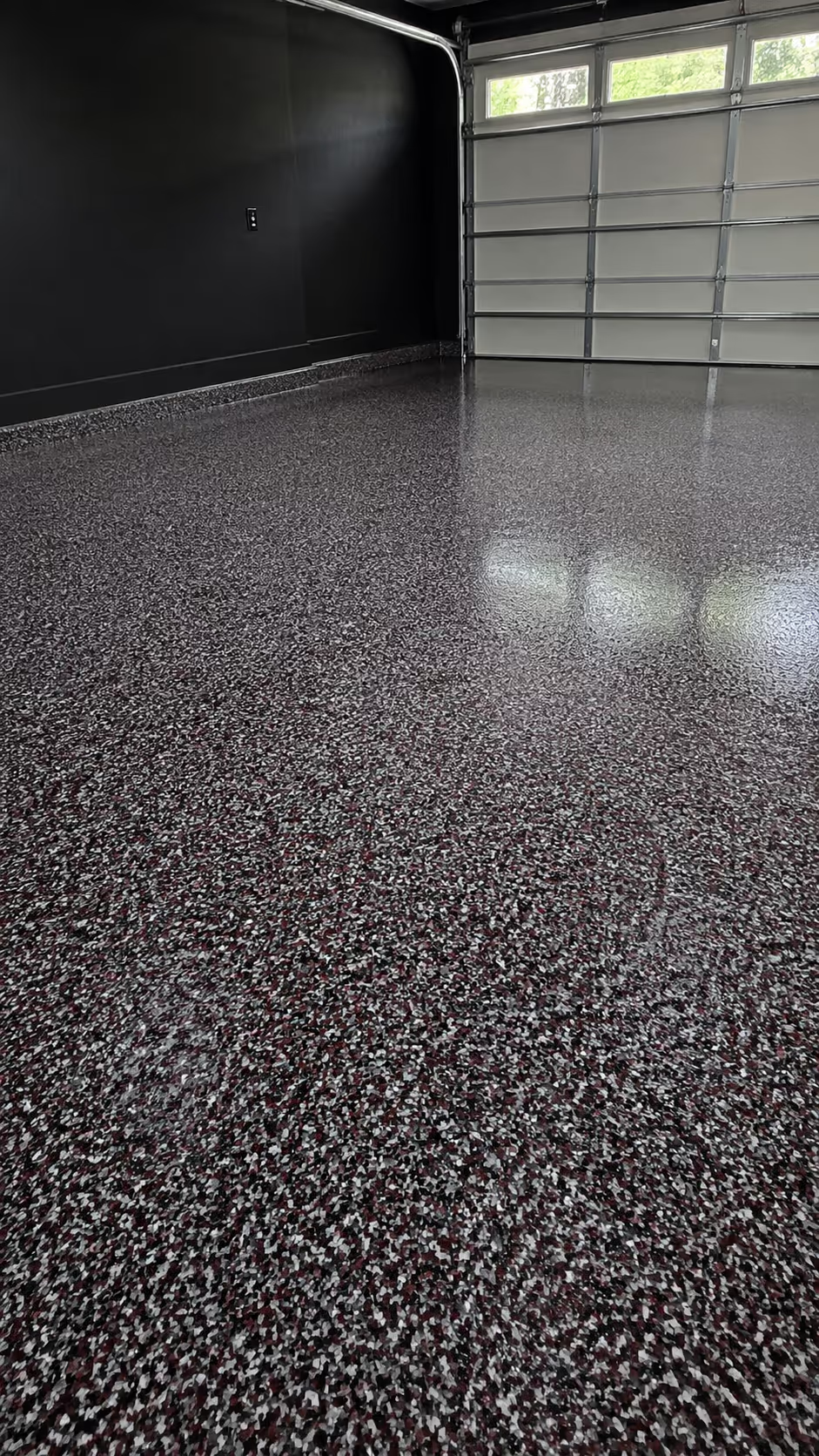
Flake epoxy flooring is a performance driven system designed for spaces that require durability, safety, and a clean finished look with minimal ongoing upkeep. Rather than acting as a simple surface coating, flake epoxy creates a fully sealed floor that protects from moisture, chemicals, and long term wear. The flake layer produces a consistent multi layered appearance that stays uniform over time, making it especially effective in high traffic residential and commercial environments. Industry data shows flake epoxy systems reduce visible wear by over forty percent compared to solid color coatings, which helps maintain a cleaner appearance for longer periods.

From a performance standpoint, flake epoxy strengthens the underlying structure instead of simply covering it. The system cures into a bonded layer that distributes weight and impact more evenly, reducing damage from repeated traffic and daily use. The textured surface improves slip resistance while still remaining easy to clean with basic maintenance. The installation process is efficient and structured. Day one focuses on preparation and base application. Day two is used for flake broadcast and refinement. Day three is reserved for sealing and final protection when required. Most flake epoxy projects are completed within two to three days.

Flake epoxy is known for its long service life and overall cost efficiency. In residential settings, these floors often last ten to fifteen years before any refresh is needed, while commercial installations commonly remain in use for over a decade. Pricing typically ranges from seven to ten dollars per square foot depending on size, layout, and finish selection. An added benefit is improved light reflection compared to unfinished flooring, which can make garages and workspaces feel brighter without additional lighting. If damage occurs, individual areas can usually be repaired without replacing the entire floor, making flake epoxy a practical long term flooring option.

Common Questions for Flake

Why do people choose flake epoxy over other flooring options?

Most people choose flake epoxy because it solves multiple problems at once rather than excelling at only one thing. It protects the concrete, improves safety, looks clean, and stays that way for years with very little effort. Traditional options like paint fail quickly, tile introduces grout and cracking issues, and bare concrete degrades over time. Flake epoxy combines durability, moisture resistance, and visual consistency into a single seamless system. That combination is why it has become the standard choice in garages, commercial spaces, and utility areas where performance matters more than decoration.

Is flake epoxy really better than bare concrete?

Yes, and the difference is not subtle. Bare concrete is porous, meaning it absorbs water, oil, chemicals, and dirt almost immediately. Over time this leads to staining, dusting, and surface breakdown. Flake epoxy seals the surface completely, preventing absorption and stopping concrete dust from forming. This not only keeps the floor cleaner but also protects the slab itself from long term damage caused by moisture and chemical exposure.

Why do flake floors hide wear so well?

Patterned floors naturally mask abrasion. Solid color floors show tire marks, scratches, and scuffs very quickly because damage contrasts sharply against a single color. Flake epoxy breaks up that contrast visually, which is why commercial garages, gyms, and service areas almost always use flake systems instead of solid coatings.

Does flake epoxy improve slip resistance or is that just a selling point?

It genuinely improves traction. The flakes create surface texture that increases friction underfoot. This is why flake epoxy is commonly used in areas where water, sweat, or cleaning is frequent, such as garages, gyms, locker rooms, and utility spaces.

Will the flakes ever come loose or chip out?

No. The flakes are broadcast into the base layer and then fully encapsulated under a clear protective topcoat. They are not exposed or glued on top, so they cannot peel, flake off, or shed during normal use.

How does flake epoxy compare to tile flooring?

Tile has grout lines that stain, crack, and require constant cleaning. It can also loosen or crack under impact. Flake epoxy is seamless, meaning there are no joints, no grout, and no hollow spots. That makes it easier to maintain and far more durable long term.

Why do real estate investors like flake epoxy floors?

Because flake epoxy signals durability and low future maintenance. Investors often view finished garages and utility spaces as indicators of overall property care. A sealed, clean floor reduces perceived repair risk and can make a property more attractive to buyers or tenants who value functionality and cleanliness.

What happens if part of the floor gets damaged years later?

One of the major advantages of flake epoxy is repairability. Localized damage can usually be repaired and blended without removing the entire floor. This keeps long term ownership costs lower and avoids full replacement unless absolutely necessary.

Solid Epoxy

Shiny black epoxy-coated garage floor reflecting overhead lights inside a clean garage.
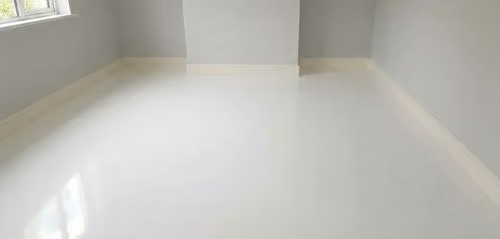
Empty room with smooth, glossy white floor, light gray walls, and white baseboards with a window on the left.
Empty indoor space with blue epoxy floor and gray concrete walls.

What Is Solid Epoxy?

Solid epoxy flooring is a clean, uniform coating system designed for spaces where durability, simplicity, and a modern appearance are the priority. Unlike decorative systems that rely on patterns or texture, solid epoxy creates a smooth, continuous surface with a consistent color throughout the entire space. This makes it ideal for environments where cleanliness, visibility, and ease of maintenance matter. Solid epoxy is commonly used in garages, workshops, commercial units, storage areas, and industrial spaces where function comes before decoration.

At its core, solid epoxy is a two part system made from epoxy resin and hardener. When combined, the materials chemically react and cure into a dense, non porous surface that bonds directly to the prepared substrate. This bond is what gives solid epoxy its strength. Once cured, the floor resists moisture penetration, chemical spills, and surface abrasion far better than paint or bare concrete. Because there are no flakes or design layers, the finish remains sleek and minimal, which many clients prefer for professional or industrial settings.

Solid epoxy is valued for its efficiency, durability, and cost effectiveness. The installation process is straightforward and controlled. Day one is dedicated to preparation and base application. Day two is used for curing and additional coats when required. Day three may be used for sealing depending on the system selected. Most solid epoxy projects are completed within two to three days. Pricing typically ranges from five to eight dollars per square foot depending on size, condition, and finish choice. With proper care, solid epoxy floors commonly last ten years or more, making them a reliable long term flooring solution.

Common Questions for Solid

Why do people choose solid epoxy instead of decorative systems?

Many clients prefer solid epoxy for its clean and professional appearance. It offers the same protective benefits as other epoxy systems without visual texture, which is ideal for workshops, commercial units, and industrial spaces.

Is solid epoxy better than painted concrete?

Yes. Paint sits on the surface and wears quickly. Solid epoxy chemically bonds and cures into the surface, making it far more durable and resistant to peeling, staining, and moisture.

Does solid epoxy show wear more easily than flake floors?

Yes, solid colors can show scratches and tire marks more clearly over time. However, many clients accept this tradeoff in exchange for a sleek and minimal look.

Is solid epoxy slippery when wet?

Solid epoxy is smooth by default, but slip resistance additives can be incorporated into the top layer when safety is a concern. This allows traction to be adjusted based on the space.

Can solid epoxy handle heavy equipment and vehicles?

Yes. When installed properly, solid epoxy can support vehicles, tool storage, and rolling equipment commonly found in garages and commercial environments.

Is solid epoxy easy to clean?

Very easy. The non porous surface prevents spills and dirt from soaking in, allowing for simple sweeping and mopping without special cleaners.

Will solid epoxy crack if the concrete moves?

Epoxy does not stop structural movement, but it bonds strongly and helps stabilize minor surface cracks. Large structural cracks should always be addressed separately.